
Coaching and Professional Supervision
Menopause isn’t something to “push through.”
It’s a physiological and psychological transition that deserves informed, personalised support.
Personalised coaching and professional supervision can provide a roadmap with highly experienced and trained support whilst you transition through menopause into your next chapter. Both play different roles in professional development, and each may be useful in different contexts.
Whether you are seeking coaching or professional supervision, you don't need to go it alone. The specialised support you need is right here.
What Nicole’s Coaching Works On
Each Menopause Reset journey is tailored, but typically includes:
Understanding your unique menopause symptoms
Reducing stress and nervous system overload
Improving sleep quality and daily energy
Supporting bone health and long-term wellbeing
Navigating midlife transitions with clarity and self-trust
Creating sustainable lifestyle changes you can actually maintain
This is coaching, not therapy and not medical treatment — grounded in evidence, lived experience, and practical application.
Nicole provides both 1:1 and group coaching to women who want clarity, steadiness, and evidence-based guidance — without overwhelm, fear-mongering, or unrealistic expectations.
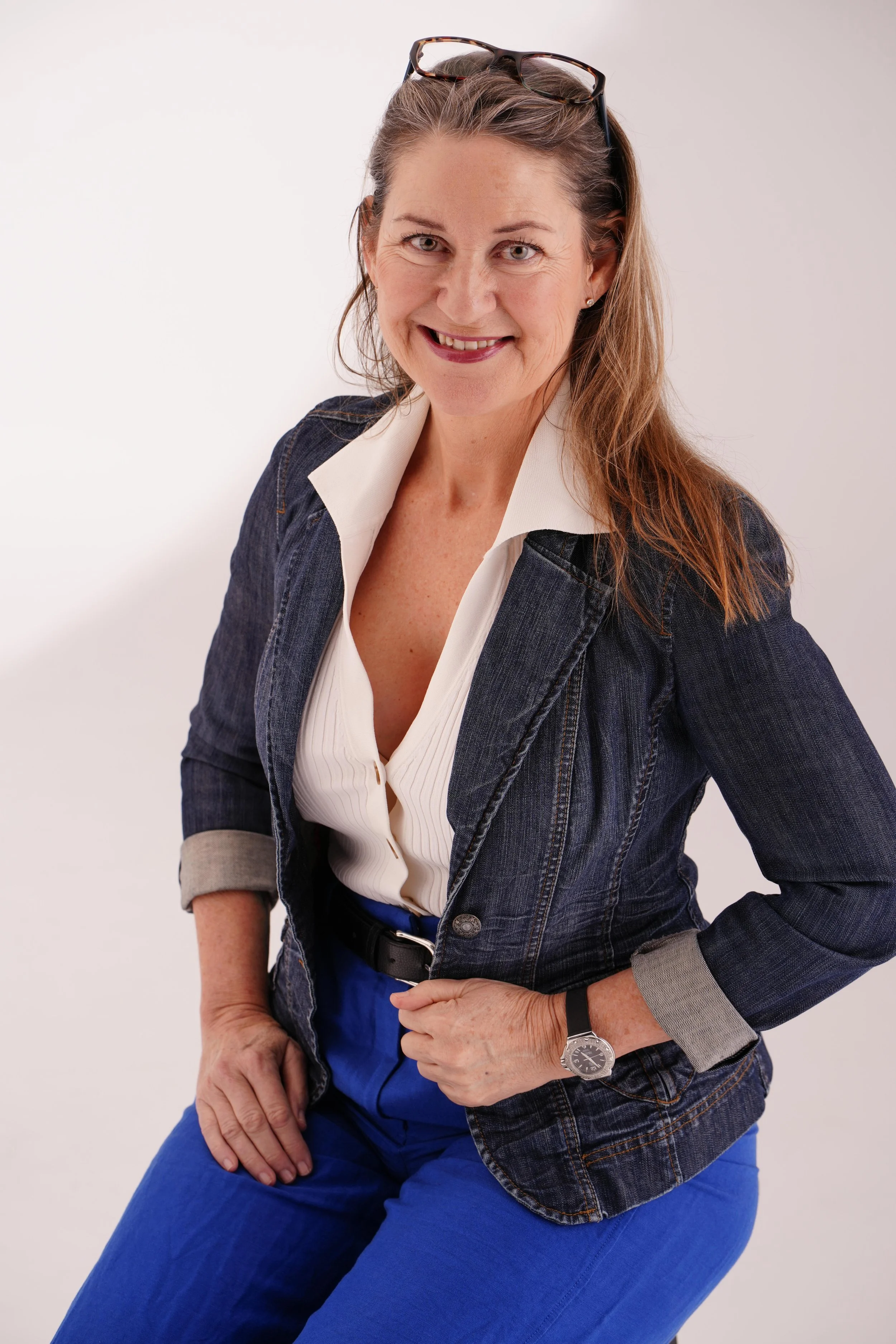
Our professional supervision service offers individual and groups access to a reflective practice grounded in psychological training and clinical experience. It provides a structured space to explore complex situations, emotional load, patterns of response, and the internal factors that shape decision-making under pressure.
Facilitated by Amberley, a trained and experienced psychologist, drawing on formal education in psychology, extensive clinical practice, and specialist training in reflective and trauma-informed approaches. This background supports a depth of understanding that is particularly important when working with high-responsibility roles, sustained pressure, and complex interpersonal and organisational dynamics.
Supervision is not therapy, and it is not coaching. It is a distinct professional practice designed to support sustainable leadership, ethical practice, emotional steadiness, and long-term capacity building. Her work supports leaders and professionals to develop clearer internal awareness, steadier emotional regulation, and more intentional responses in complex, high-pressure environments.
Who This Is For
Our coaching and professional supervision services are designed for women aged 35–60 who are navigating menopause alongside real life:
Leadership teams and senior managers
Professionals working in high-responsibility or high-emotional-load roles
Organisations navigating sustained pressure, repeated change, or complexity
Teams exposed to crisis, trauma, or ongoing emotional demands
Career or identity transitions
Chronic stress or burnout
Sleep disruption and fatigue
Mental health and trauma
Emotional or cognitive changes that affect confidence and focus
You don’t need fixing.
You need calm, informed support that meets you where you are.

Who is this retreat for?

Women navigating midlife and menopause, particularly those in leadership, executive, management or demanding professional roles.
Whether you're experiencing changes in your confidence, energy or functioning, balancing competing responsibilities or considering how to sustain your career, this retreat offers education, reflection and practical resources.
You don't need to be experiencing significant symptoms to attend.
Format and practical details
How Sessions Typically Work
Typically 60 minutes
Online or in-person options
Individual or small group
Group sizes capped to support depth and safety
Monthly or bi-monthly cadence recommended
A note on scope
Supervision and coaching are intended for general education and reflective learning. They are not a substitute for individual therapy, diagnosis, or crisis support.
If you’re currently experiencing acute distress or immediate risk, please contact local emergency services or a crisis support service in your area.
Frequently Asked Questions
-
No. Our retreats balance guided sessions, group activities and personal time. You're encouraged to participate in ways that feel appropriate for you. All activities are always your choice.
-
Absolutely. Rest and personal space are central to our retreats. You'll have opportunities to enjoy the facilities, spend time with others or simply do nothing. Becoming an Olympic champion at resting takes practice!
-
No. While we encourage reflection and discussion, you're never expected to disclose personal experiences or information you're uncomfortable sharing. We establish clear expectations around privacy and respectful participation. We ask people to respectfully not disclose specific details about individual trauma out of respect for other people’s windows of tolerance.
-
You'll have three 30-minute sessions with Amberley or Nicole to reflect on what you've discovered, establish personal intentions and explore practical adjustments for life and work.
These are educational and reflective sessions, not individual psychological therapy or personal coaching.
-
No. Our retreats combine menopause education, workplace wellbeing information, guided reflection and practical self-support activities.
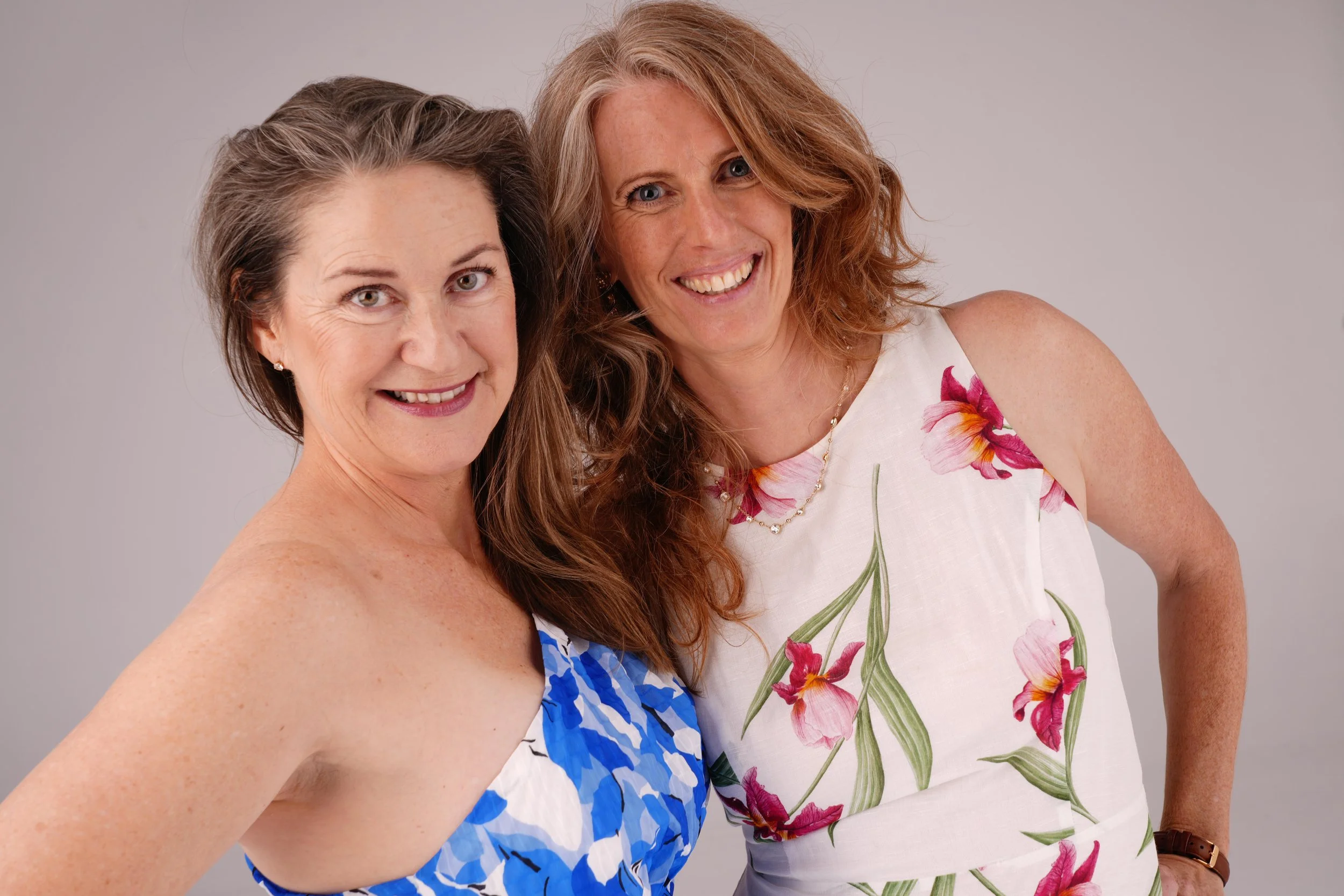
Amberley is an Australian registered psychologist and Nicole is a certified menopause coach. Each works within their professional scope.
The retreat does not replace individual medical care, psychological treatment or employment or legal advice.
-
Identify. Assess. Adjust. Repeat.
We encourage you to understand what you're experiencing, consider the influences on your wellbeing and explore practical adjustments that may support your personal and professional life.
It's not about changing everything in seven days. It's about developing knowledge and resources you can continue drawing on afterwards.
-
We carefully select venues for their natural beauty, accommodation, facilities, quality food and service.
We also consider whether the environment supports rest, privacy, connection and the activities included in our programme.
-
Welcome and farewell dinners, opening and closing breakfasts, and lunches are planned as shared meals. Other meals offer flexibility to dine alone or with others, because we understand that sometimes you might need some quality time with you and your food!
-
We recognise that attending a seven-day retreat is a significant investment.
Your fee reflects the accommodation and facilities, facilitated programme, educational resources and professional expertise involved.
Amberley and Nicole bring decades of combined professional experience, qualifications and ongoing training. Considerable research, planning and preparation also go into developing each retreat.
You're investing in more than seven days away. You're investing in the knowledge, preparation, environment and resources that make the experience possible.
-
You'll have opportunities to develop a better understanding of menopause, your own needs, workplace support options and practical approaches to self-support.
You'll also explore personal intentions and adjustments you may wish to make in your everyday life.
Individual experiences and outcomes will vary, but our aim is to provide knowledge, practical resources and time to consider what works for you.
Because rest isn't something you have to earn, and supporting yourself shouldn't mean stepping away from the career you've worked hard to build.