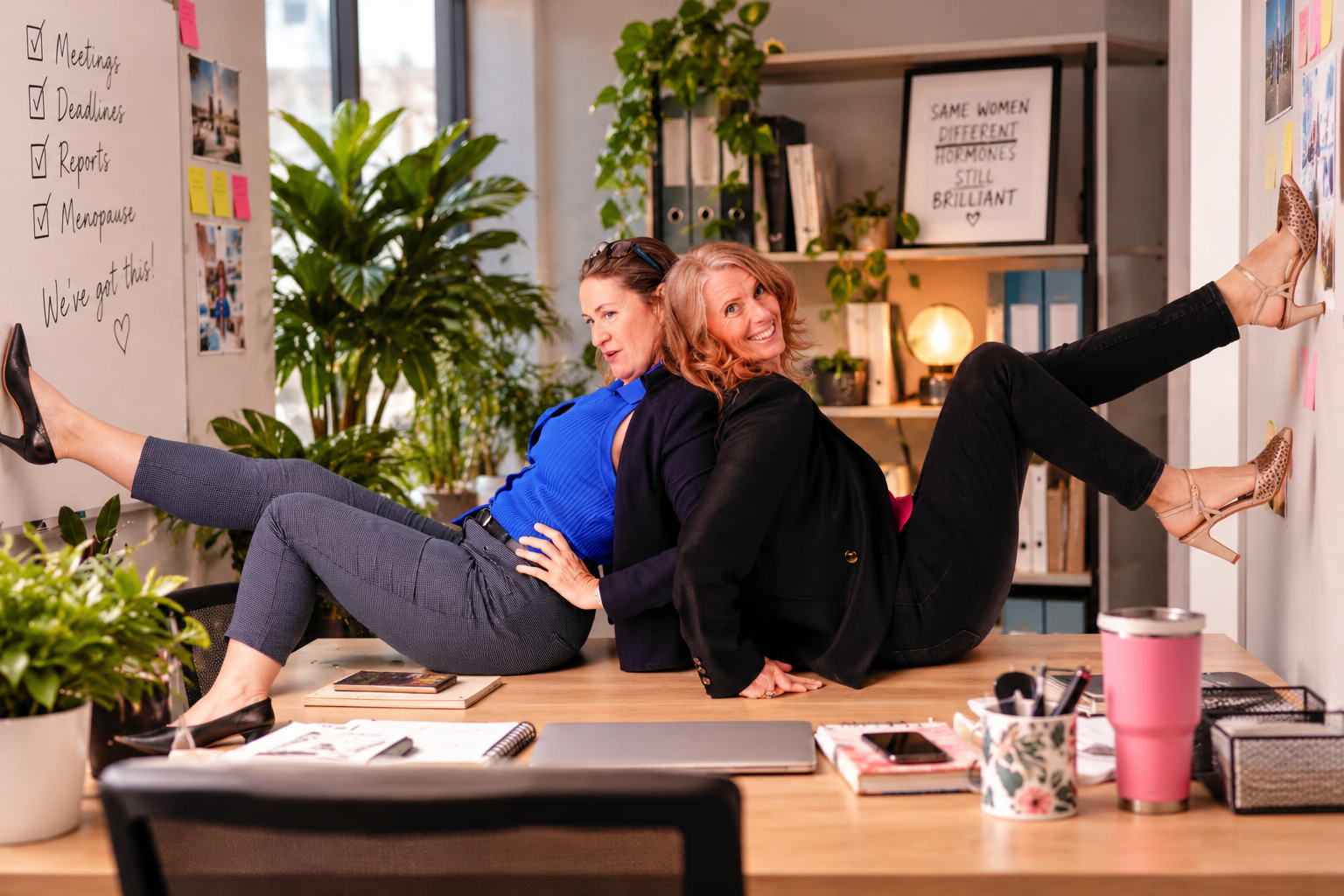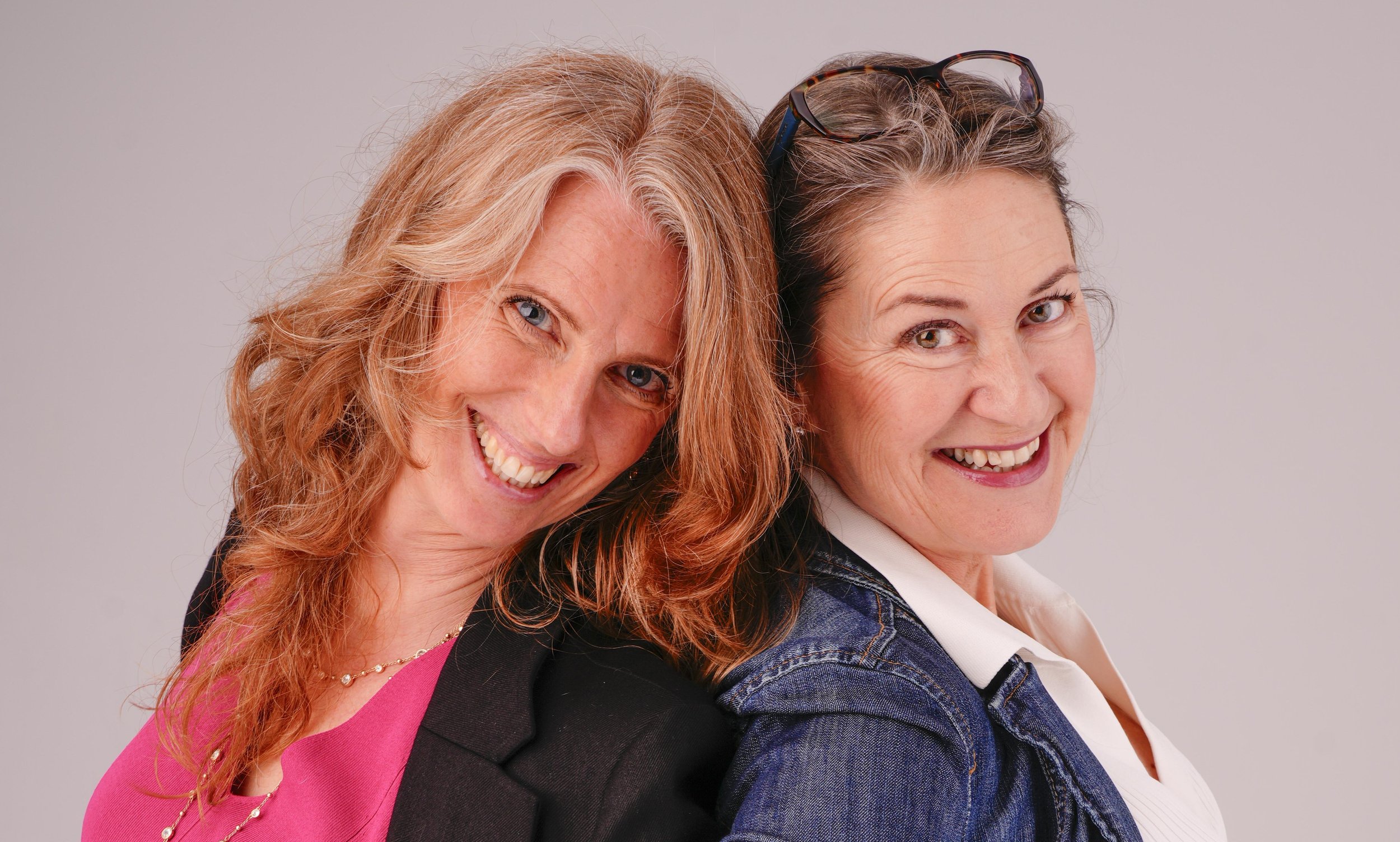
We understand because we’ve lived it.
What Sets Us Apart
Behind the Conversation
Our work draws on extensive professional experience, specialist training and ongoing engagement with research. We bring decades of experience across psychology, health, wellbeing, leadership and workplace settings to the conversations we facilitate.
Long-Term Partnerships
We’re interested in more than one-off conversations. We build ongoing partnerships with organisations, adapting our support as their people, workplaces and understanding of menopause evolve.
Facilitated by Native Speakers
Both Nicole and Amberley are navigating their own menopause journeys while working in high-demand, pressured roles. They understand first-hand the complexities of managing life, work and the menopause path.
Nicole van Hattem INHC
Executive Wellbeing Coach | Menopause Educator | TEDx Speaker
Co-Founder, MenoAgility
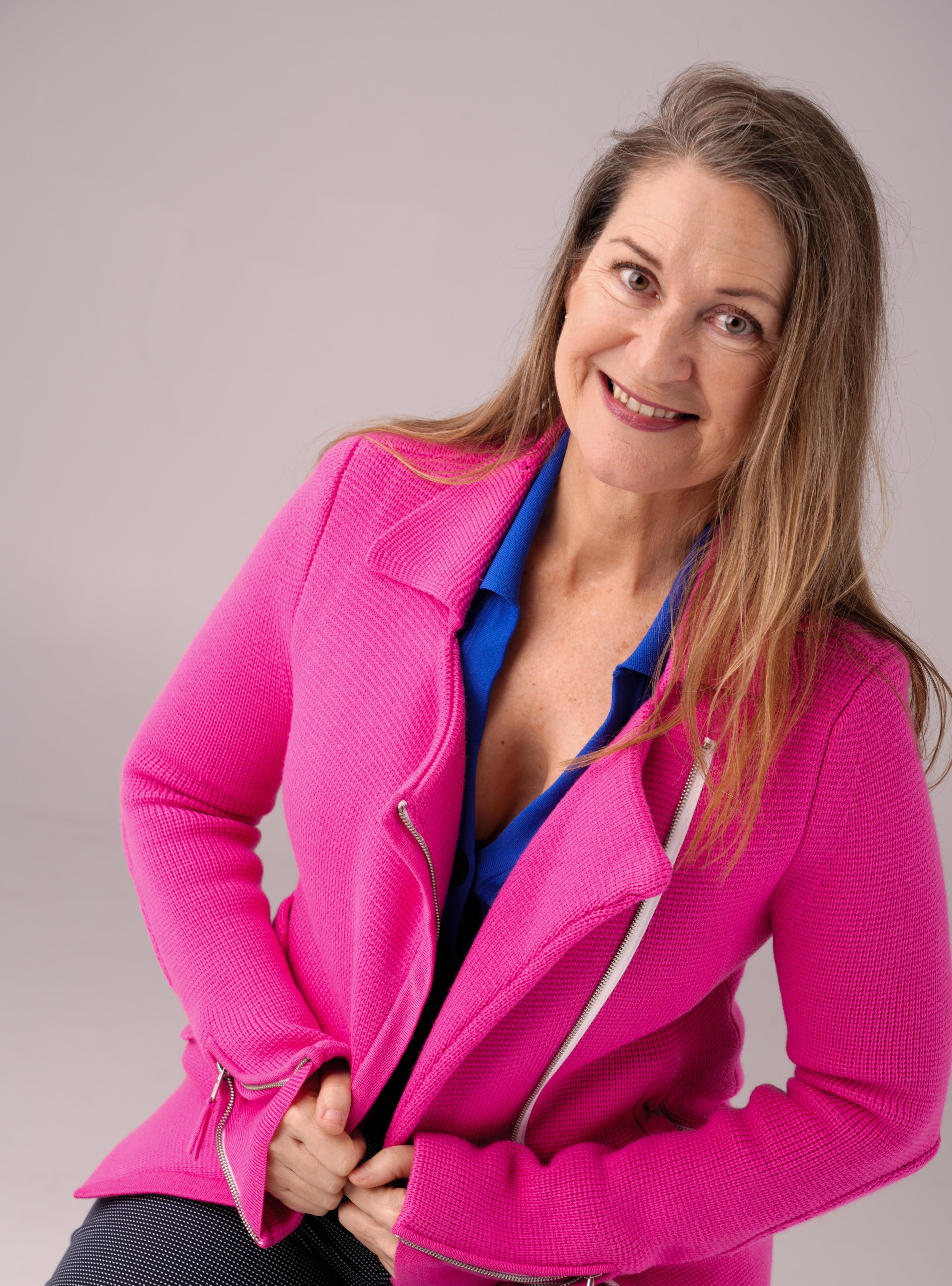
I'm a Certified Integrative Health Coach with more than 15 years of experience specialising in women's health and wellbeing, TEDx speaker on workplace burnout and host of the Hot & Healthy Menopause podcast.
My professional career spans executive-level roles across Australia and internationally, including corporate leadership environments, human resources, business operations and organisational wellbeing. I've also successfully established and operated my own international coaching and consultancy business, delivering health education, workplace wellbeing initiatives and coaching to support individuals and organisations through change.
My approach to mental wellbeing through menopause combines integrative health, education and behaviour change. I explore how nutrition, sleep, movement, stress, relationships, workplace demands and everyday habits influence our mood, energy, confidence and ability to think clearly and adapt.
Having experienced menopause while navigating major personal and professional changes, I understand how easily a woman's confidence and sense of identity can unravel — and how important informed, compassionate and practical support can be.
Now I'm postmenopausal and, as I like to say, "sane again!" I'm passionate about helping women understand what's happening, explore their options and regain confidence in themselves, while helping leaders and organisations create workplaces where women can continue to thrive.
I believe no woman should feel she's losing her mind, her confidence, her career or herself during menopause — or have to figure it all out alone.
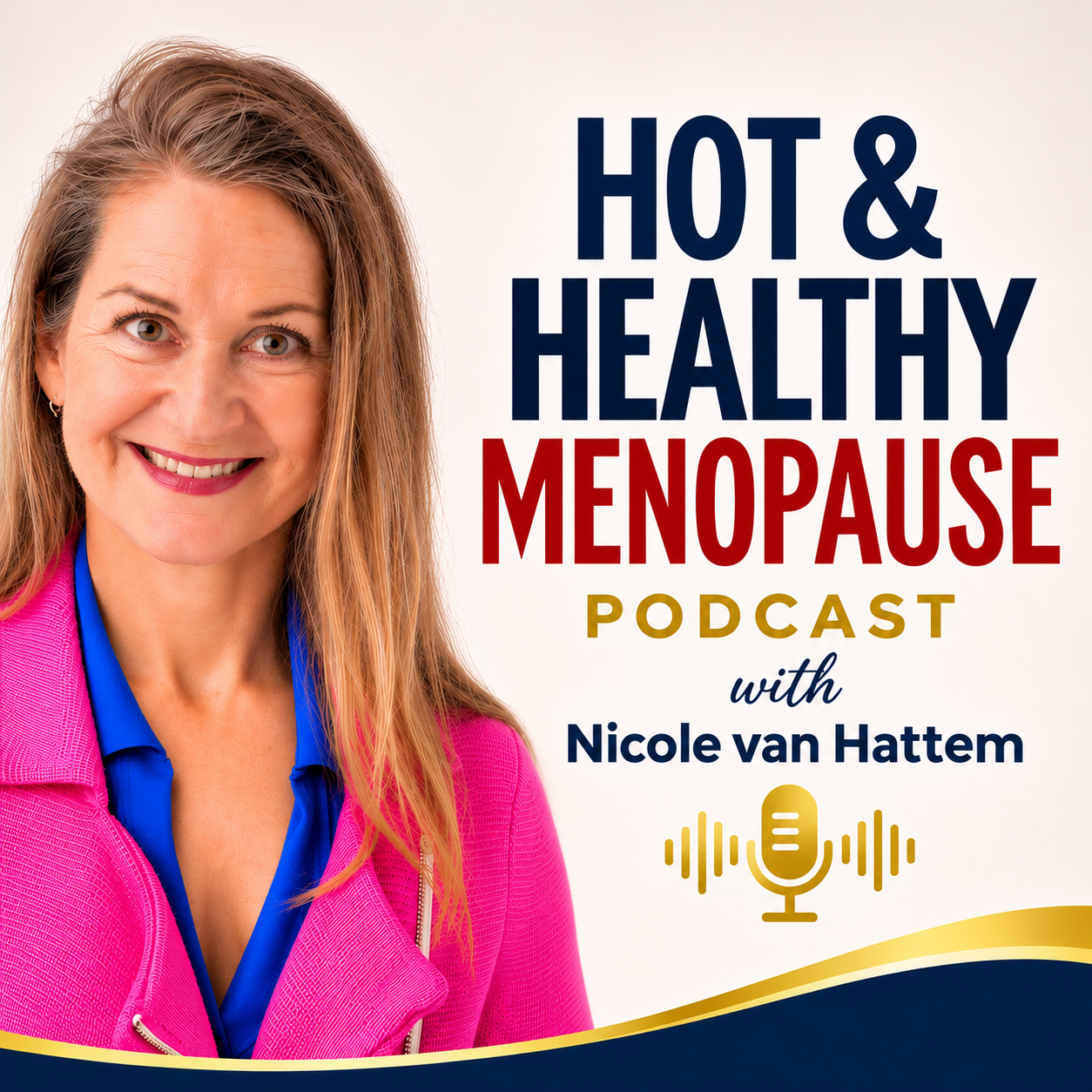
I've spent much of my career helping women navigate health, wellbeing and life's challenges. Yet when menopause arrived, I discovered that even with years of professional knowledge, experience and resilience, I wasn't prepared for the changes happening to my own mind and body.
Navigating the end of a 20-year marriage, running my international coaching and consultancy business, and experiencing the anxiety, emotional overwhelm, loss of confidence and sudden physical changes of menopause was quite the combination! I went from being a capable, confident woman to questioning my decisions, my abilities and, at times, my sanity.
I know how frightening it can be when you no longer recognise yourself — especially when you're expected to keep functioning, performing and holding everything together.
Amberley Meredith M.Sc.
Registered Psychologist | Published Author | Speaker |
Co-Founder, MenoAgility
Member of the AMS
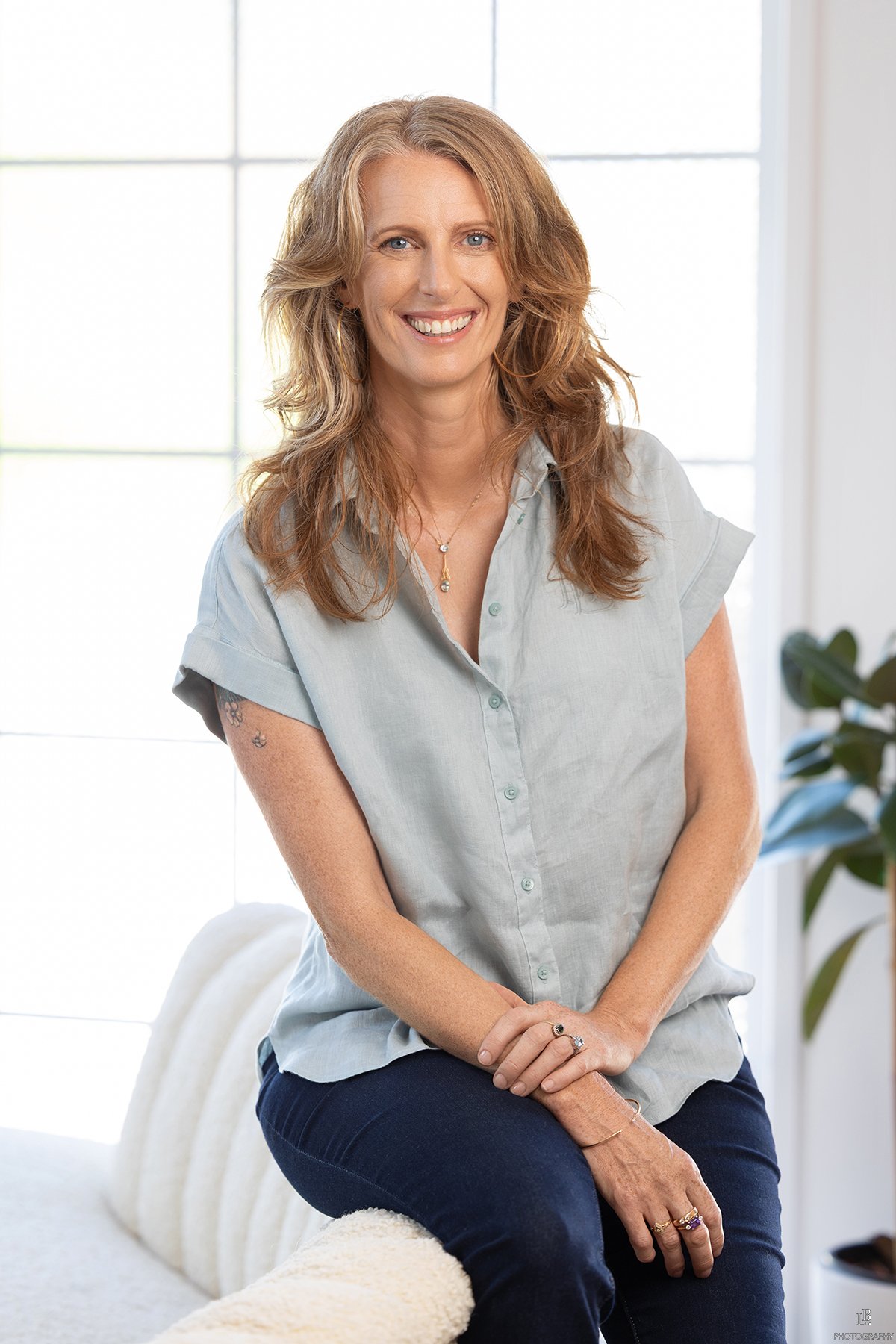
I'm a fully loaded perimenopausal woman, and I'm extremely grateful for the 30 years I've spent working in mental health and wellbeing. It's given me knowledge and practical tools to draw on while navigating the mayhem of menopause!
I've experienced the mood changes, joint pain, unrelenting fatigue, emotional overwhelm, itchy ears and the joy of trying to understand what's happening to my mind and body. Separating menopause from other contributing factors hasn't always been easy. As a vegetarian, I discovered low B12 was contributing to my fatigue. I also missed many early signs of perimenopause amid the trauma and grief of losing my husband at 35, relationship challenges and the pressures of working with people experiencing significant trauma while running my own business.
I've been asking women about their menstrual cycles for decades. How does their mood change? What pain do they experience? What happens to their concentration and thinking? Understanding how hormones can influence mental wellbeing, what's hormonal, what's psychological and where they overlap and impact each other has always mattered to me.
I'm an Australian registered psychologist with a Bachelor of Science in Psychology and a Master of Science in Health Psychology. Over three decades, I've worked with individuals, couples, families and organisations, held positions of responsibility within health services and run my own businesses since I was 21. I've also developed trauma-informed retreats and workplace wellbeing workshops, helping people explore what they want to change, what might get in the way and how to approach change in practical, sustainable ways.
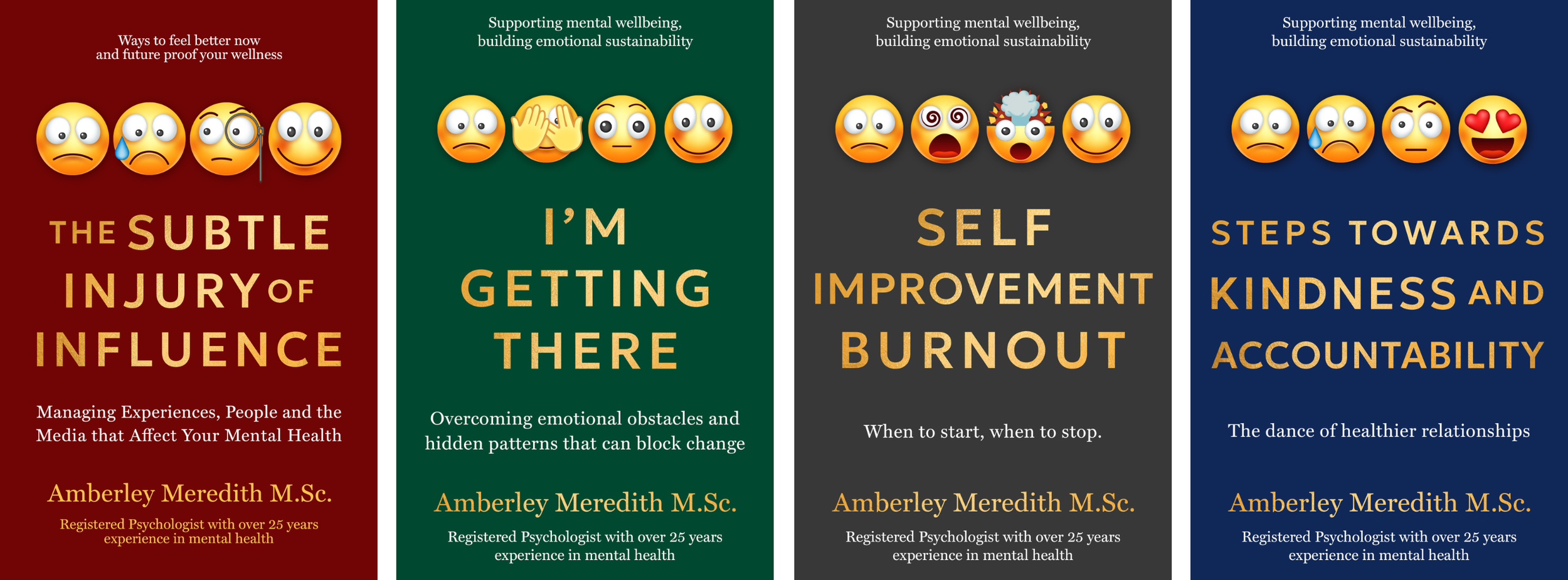
I wrote The Adaptable Sustainable Psychology Collection after decades of working with evidence-informed psychological approaches and witnessing the remarkable ways people navigate adversity. I wanted to make psychological knowledge and practical strategies more accessible, helping people better understand and support themselves.
My own menopause experience reminds me that information alone isn't always enough. Without practical ways to cope and the love, humour and encouragement of my sisters in "MenoLand", I know I'd struggle more with feeling overwhelmed, vulnerable or lost.
Menopause doesn't happen in isolation from the rest of our lives. Our relationships, responsibilities, past experiences, beliefs and expectations all influence how we experience and respond to change. Through MenoAgility, I want to bring psychology beyond the therapy room, helping women better understand their mental and emotional wellbeing, connect with one another, and support families, leaders and workplaces to respond with greater awareness, empathy and confidence.
I believe that when we better understand ourselves and what's happening to us, we can spend less time questioning our worth, find the support we need and create opportunities for meaningful, sustainable change.
Ways in which we can support you